World Cup Opener in Mexico: Highlights and Takeaways
The World Cup opener at Azteca Stadium showcased Mexico's pride and excitement for hosting again after 40 years. Key moments and observations.
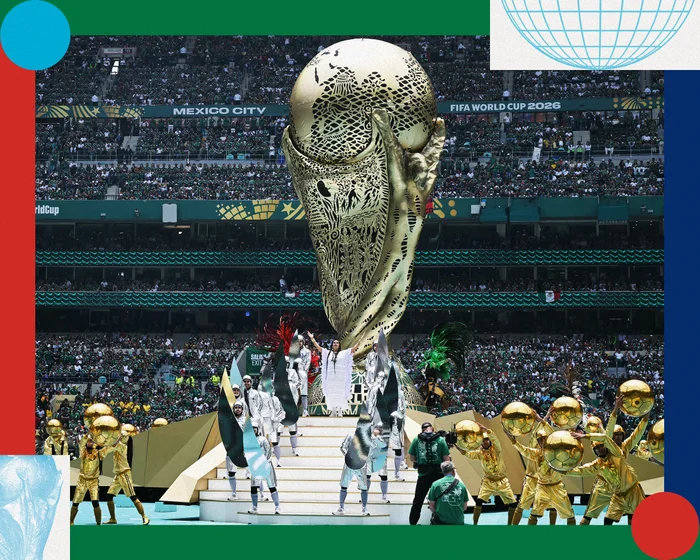
The much-anticipated World Cup opener at the iconic Azteca Stadium in Mexico City has finally arrived, marking a historic moment for the country as it hosts the tournament for the third time. After a 40-year wait, the atmosphere was charged with excitement, making it a night to remember for fans and players alike.
Emotional Return of a Footballing Giant
Shakira’s performance added to the festive spirit of the evening, captivating the audience with her energetic presence. The singer’s return to the stage was a nod to the cultural significance of the event, further igniting the fans’ passion for the tournament. The enthusiasm among the Mexican supporters was palpable, showcasing a nation proud to be hosting the World Cup once again.
Challenges in the Lead-Up to the Match
Despite the challenges posed by road closures and protests from striking teachers and families of the disappeared, the event proceeded smoothly. The resilience of fans shone through as all 83,000 seats at the stadium were filled well in advance of kick-off. FIFA's concerns about potential delays were alleviated as the crowd gathered, underscoring the commitment of supporters to witness this historic match.
The Significance of Hosting Again
Mexico's status as the first nation to host three World Cups has not gone unnoticed. The pride of the fans throughout the week leading up to the match was evident, as city streets buzzed with anticipation. This event is more than just games; it symbolizes a long-standing love for football and a celebration of national identity.
As the tournament unfolds, the world will be watching how Mexico capitalizes on this opportunity not just to host but to showcase its culture and passion for the beautiful game. The opening match has set a high standard, and the excitement promises to build as the competition progresses.
Source: The Guardian