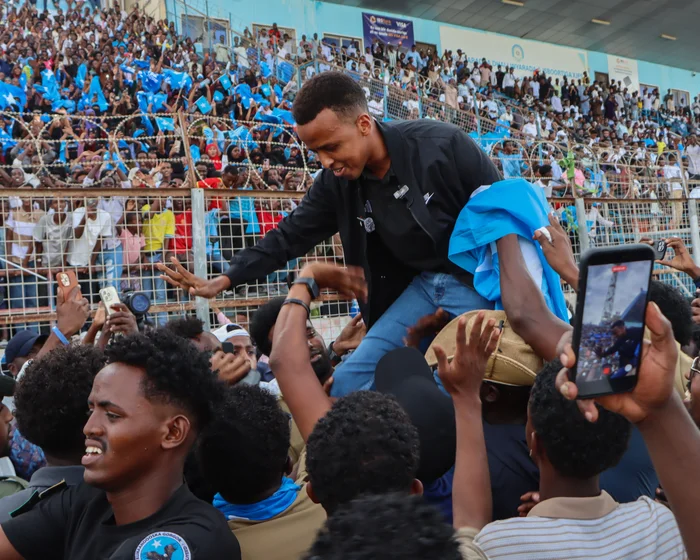
The Omar Artan Controversy: A Critical Look at FIFA's Leadership
The recent Omar Artan scandal raises questions about FIFA President Gianni Infantino's leadership amidst a changing landscape in sports.
The recent Omar Artan scandal has placed a spotlight on FIFA President Gianni Infantino, revealing significant concerns about his leadership and the direction of the organization. As the preparations for the 2026 Men's World Cup continue, this controversy has sparked discussions about the implications of hosting the tournament in a politically charged environment.
Historical Context and Current Implications
Historically, major sporting events have been used as platforms to project national pride and unity. However, the 1936 Olympics in Berlin serve as a stark reminder of how regimes can manipulate such events to obscure their less savory aspects. The Nazis, aware of international scrutiny, made efforts to present a more palatable image by removing antisemitic propaganda and temporarily relaxing oppressive laws. In stark contrast, the United States under Donald Trump appears to embrace a different approach, openly showcasing its societal issues without concern for how they may affect international visitors.
FIFA's Dilemma with the 2026 World Cup
The choice to hold the 2026 World Cup in the U.S. has raised eyebrows, especially given the current political climate and the nation's policies. Infantino's leadership is now under scrutiny as critics argue that FIFA has failed to uphold its values by aligning itself with a country that displays a troubling indifference to global perceptions. The organization is facing a crisis of credibility, with detractors pointing to the lack of sensitivity in its decision-making processes.
The Omar Artan scandal highlights the broader implications of this partnership. Infantino's management style has been characterized by a willingness to compromise and appease influential figures, which some see as a sign of weakness. As FIFA navigates the complexities of global politics and public sentiment, the question remains whether Infantino can regain control and steer the organization towards a more principled stance.
Looking Ahead
As the 2026 World Cup approaches, it will be critical for FIFA to address these concerns and reaffirm its commitment to promoting inclusivity and respect within the sport. The challenge will be to reconcile the organization's commercial interests with ethical considerations, particularly in a time when public scrutiny is at an all-time high. The actions taken in the coming months will determine not only the success of the tournament but also the legacy of Infantino's presidency.
In conclusion, the fallout from the Omar Artan scandal serves as a wake-up call for FIFA and its leadership. As the world watches, the organization must confront its responsibilities and the impact of its decisions on the global stage.
Source: The Guardian