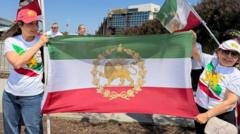
Iranian Fans Push for Pre-Revolution Flag at World Cup
Iranian supporters in Los Angeles advocate for the pre-1979 flag at the World Cup, rejecting the emblem on the current team uniform.
Amidst the excitement of the World Cup, a significant cultural and political symbol emerges from the Iranian community in Los Angeles. Many fans are voicing their desire to display the pre-1979 flag of Iran, a symbol they believe represents a more hopeful and untainted national identity, contrasting sharply with the current flag featured on the national team’s uniforms.
Historical Context of the Flag
Since the 1979 Islamic Revolution, Iran's flag has been closely associated with the regime that took power, leading to a complex relationship between Iranian citizens and their national symbols. For many expatriates, particularly those who fled Iran around the time of the revolution, the original flag evokes memories of a different era—one that they feel embodies values of freedom and unity that have been overshadowed by the current political climate.
The Voices of Los Angeles Fans
Iranian football fans in Los Angeles express a strong emotional connection to the historical flag. They argue that waving the pre-revolution flag at international events serves as a powerful statement against the current government. By displaying this emblem, they aim to raise awareness of the struggles faced by many Iranians both at home and abroad, advocating for a future where their voices can be heard without fear of repression.
Fans have been vocal about their intentions, explaining that the current flag symbolizes a regime they oppose. They seek to reclaim their national identity and showcase the rich cultural heritage of Iran that they feel has been overshadowed by the political narratives of the past four decades. This desire is particularly prominent during high-profile events like the World Cup, where the eyes of the world are focused on their team.
Challenges and Responses
While the call to wave the pre-1979 flag has gained momentum among supporters in the U.S., it also faces challenges. The Iranian government actively suppresses any dissenting symbols, making it difficult for fans to openly express their support for the historical emblem, especially during matches in Iran or those organized by the Iranian Football Federation.
Despite these challenges, the fans in Los Angeles remain determined. They are leveraging social media platforms to amplify their message, encouraging others to join their cause. Their hope is that the visibility of their efforts will prompt a broader conversation about national identity and the significance of cultural symbols in contemporary society.
The situation highlights the intersection of sports, politics, and identity, as fans navigate their relationship with a flag that carries a heavy historical burden. As the World Cup unfolds, the call for the pre-revolution flag serves not only as a gesture of support for the team but also as a powerful reminder of the ongoing struggle for freedom and recognition among Iranians worldwide.
Source: BBC Sport