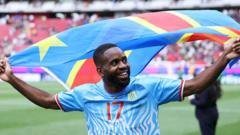
DR Congo Cancels World Cup Training Camp Amid Ebola Concerns
The DR Congo football team has canceled its World Cup training camp due to an ongoing Ebola outbreak that has claimed numerous lives.
The Democratic Republic of Congo (DR Congo) has made the difficult decision to cancel its training camp for the upcoming World Cup qualifiers in light of a serious Ebola outbreak. This outbreak, linked to a rare strain of the virus, has reportedly resulted in at least 139 fatalities, prompting health officials and government authorities to take immediate action.
Impact of the Ebola Outbreak
The current Ebola crisis has raised alarms across the nation, leading to heightened health measures to prevent further spread of the virus. The decision to halt the training camp reflects the seriousness of the situation, as health and safety take precedence over athletic preparations. The football team had planned to gather for essential training ahead of crucial matches, but the risk posed by the outbreak has forced a reevaluation of priorities.
Health and Safety Measures
Local health authorities are working tirelessly to contain the situation, implementing strict protocols in affected regions. The government is urging citizens to remain vigilant, and public gatherings are being closely monitored to minimize transmission risks. As a result, the football federation has prioritized the well-being of players and staff, recognizing that the health crisis could have broader implications for the entire community.
This cancellation not only affects the immediate training schedule but also raises questions about the future of the national team's preparations as they look ahead to the World Cup qualifiers. With the situation evolving, the federation will need to adapt its plans according to the health landscape.
As the DR Congo navigates this challenging period, the focus will remain on mitigating health risks while considering the importance of sport in fostering resilience and unity among its citizens. The national team hopes to resume training and competition when it is safe to do so, reflecting both the spirit of the game and the need for community health.
Source: BBC Sport